Entries by Kevin Ford

The future of bricks and mortar is experiential | MOF26

Retail isn't dying. It's just getting interesting again.

Last week, our team spent three great days at the Malls of the Future Summit — on our feet, talking to mall operators, retailers, and just about anyone who'd let us corner them near the coffee queue.

We came away genuinely energised. Not only in a "great networking event" way. In a "the mall industry is actually at an inflection point and we want to be part of it" kind of way.

Here's what stood out.

People are finally talking about staying, not just arriving

For years, one of the standard measures of a mall's performance was footfall. How many people came through the door? It's a very important number, but we always wanted to add more — like judging a restaurant by how many people look at the menu outside .

What we heard at Malls of the Future was a genuine shift in how operators are thinking. The conversation has moved from counting to understanding. How long did someone stay? Where did they go? Did they come back? These are the questions that actually tell you whether your space is working.

Dwell time isn't just a feel-good metric. For a mall, it's the difference between a visit that turns into one purchase and a visit that turns into three. For a retailer, it's the difference between someone glancing at a window display and someone who stays long enough to actually buy something. The industry knows this. What's exciting is that the tools to measure it properly are finally catching up.
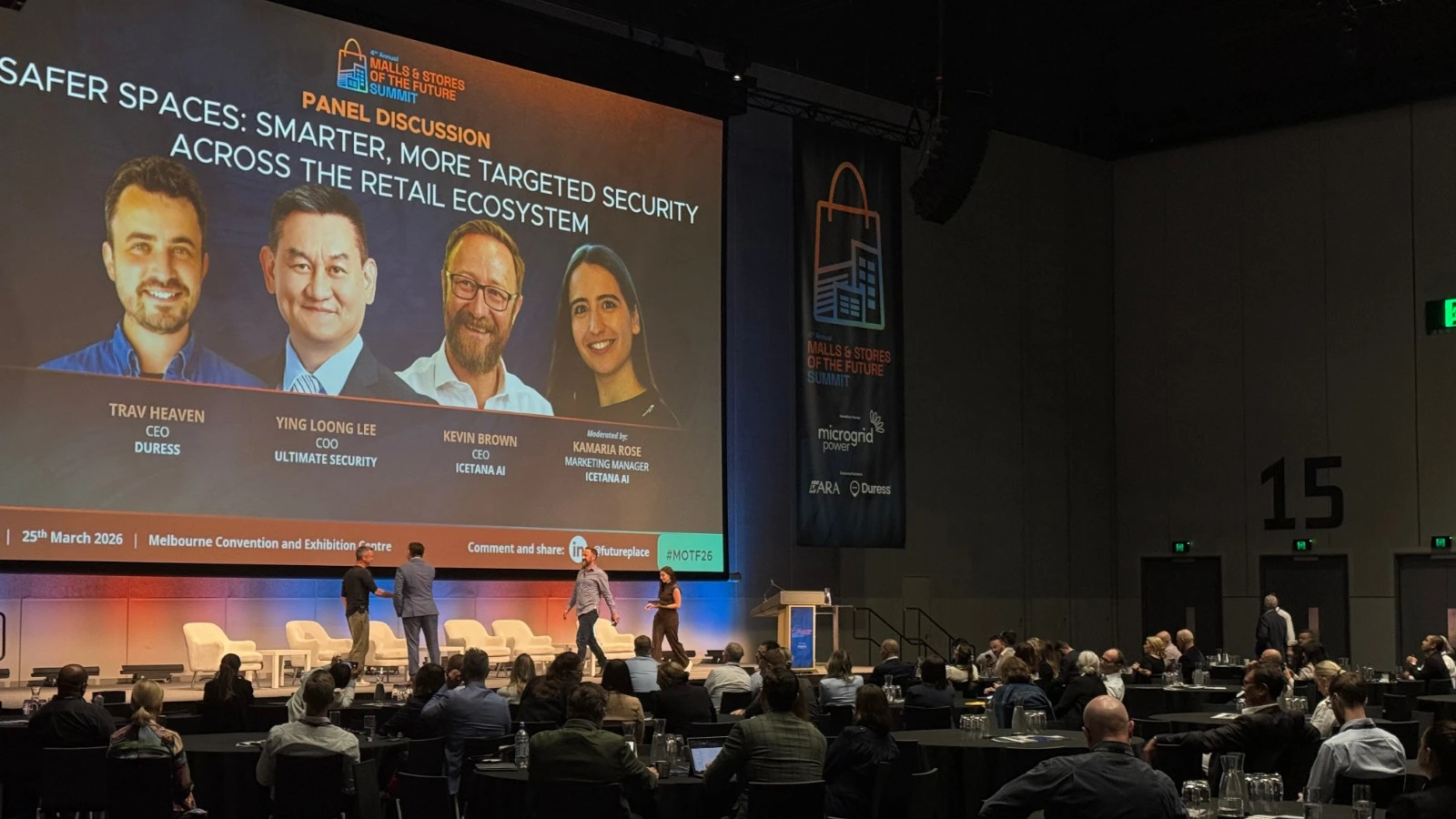
Panel discussion screen at a retail industry conference showing a presentation with a live audience.

The best retailers are redesigning around their customer, not their product

One of the standout presentations of the conference came from Reid Nakou at The General Store, who made a compelling case that the purpose of a physical retail space has fundamentally changed. It's no longer primarily about shifting product. It's about creating somewhere people actually want to be.

That sounds like marketing fluff until you see the data behind it. Baby Bunting is a good example. New leadership came in, looked at their stores, and asked their customers what they actually thought. The feedback was blunt: too noisy, too much, too hard to find what you need.

So they stripped it back. Cleaner zones. Less clutter. A store designed around the specific experience of being pregnant or a new parent — which is to say, often tired, often overwhelmed, and not in the mood for decision paralysis. The result? Sales up 25–30% in the redesigned stores. Dwell time up significantly.

It's a simple idea executed really well: understand who your customer actually is, then build the space around them.
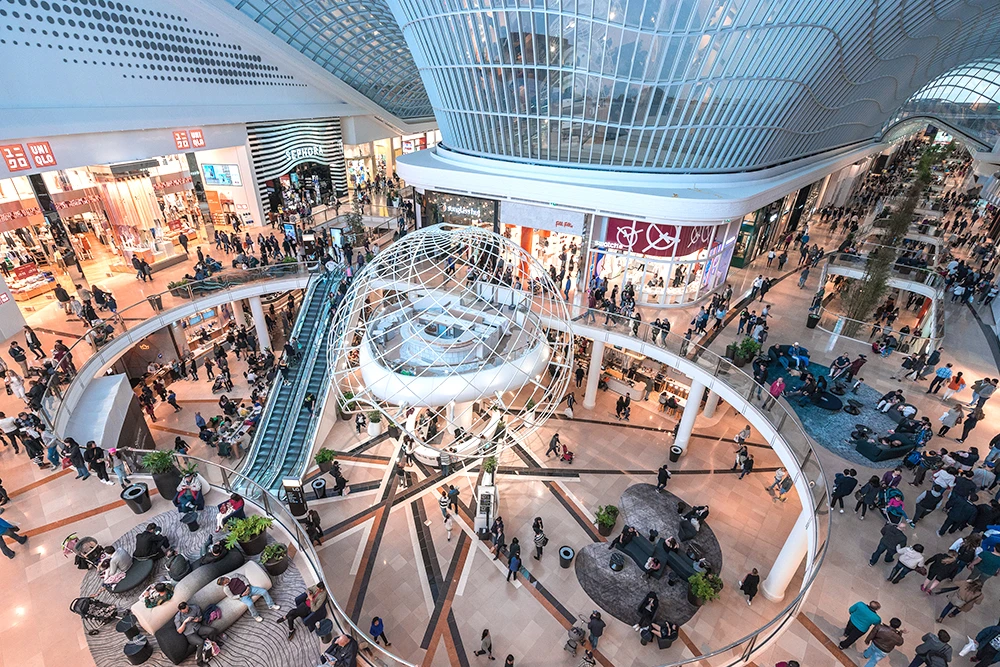
Aerial view of Chadstone shopping centre, surrounded by multiple levels of retail stores, escalators, and large crowds of shoppers throughout.

There's a generational shift coming that malls aren't fully prepared for

One of the more thought-provoking threads through the conference was around younger audiences — specifically how Gen Z and younger millennials actually use mall spaces.

The short version: they loiter. They hang around. They come in groups, spend time, and don't always buy something on that visit.

For a lot of mall managers, that's historically been seen as a problem. But the reframe that came through clearly at Malls of the Future is that this behaviour is actually brand-building in action. These are the customers of the next decade. A 17-year-old who spends Saturday afternoons at your mall because they feel welcome there is developing a relationship with your brand that a perfectly optimised conversion funnel can't replicate.

The malls that figure out how to design for this — creating spaces that genuinely welcome people rather than just tolerate them — are going to have a significant advantage.

We'll be back next year. We've already signed up for the same spot! If you want to talk about how better occupancy data fits into any of this — whether you're a mall operator, a retailer, or somewhere in between, let’s have a chat. 
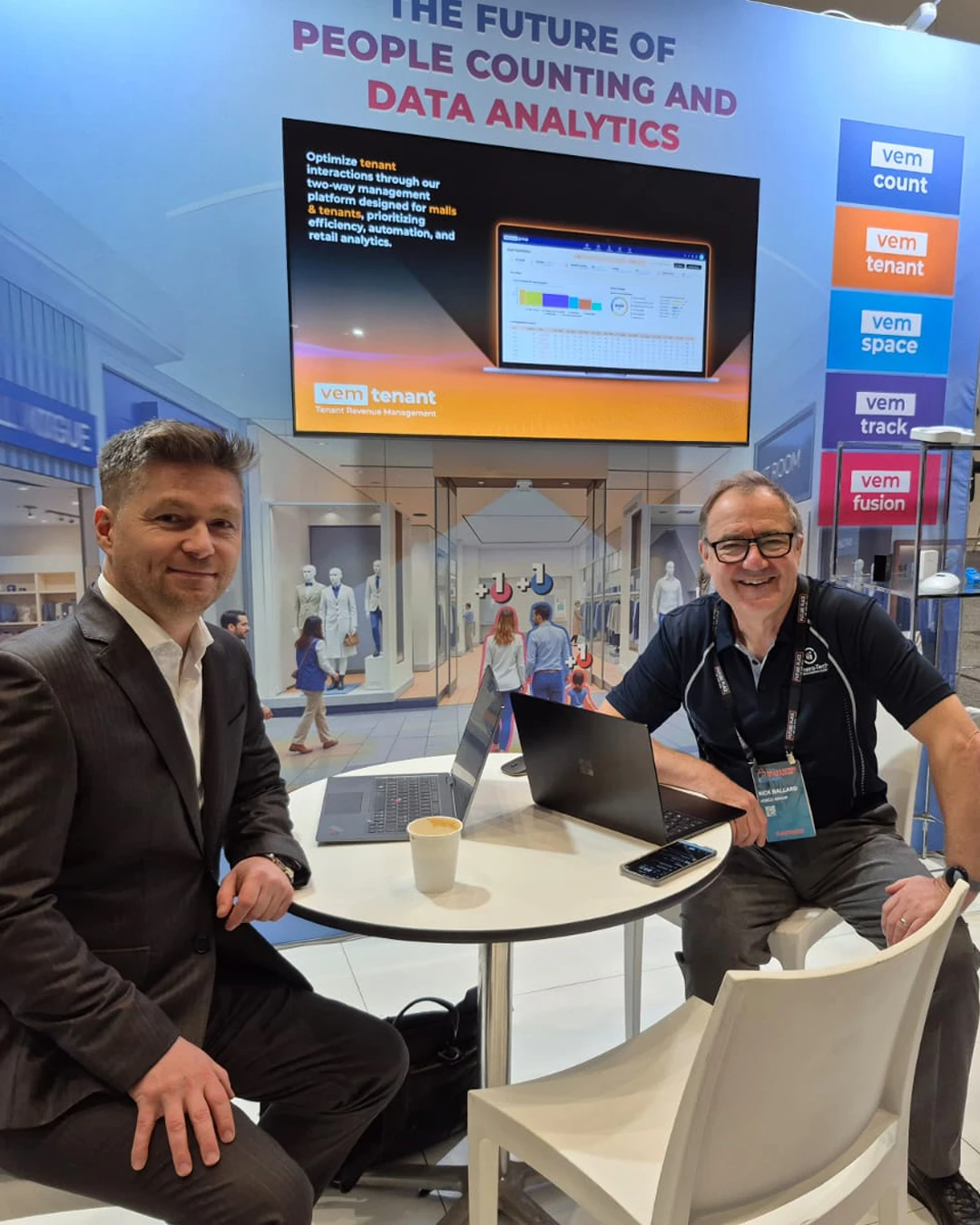
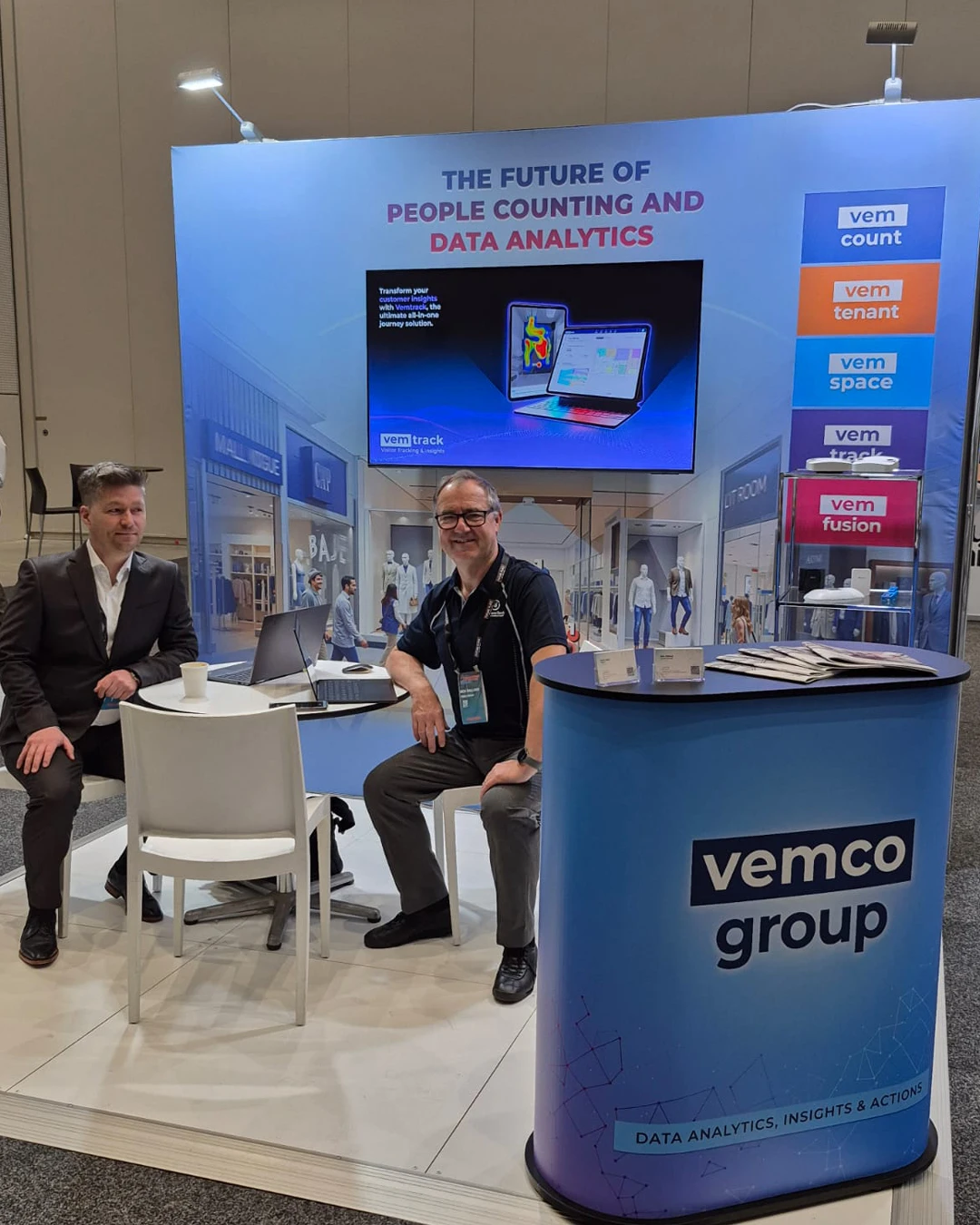
Two team members at the Cohera Tech exhibition stand at the Malls of the Future conference, with a large display screen showing "The Future of People Counting and Data Analytics".
The Cohera Tech exhibition stand at the Malls of the Future conference, showing the full booth setup with a display screen

No Faces. No Footage. No Risk | Cohera-Tech People Counting

Anonymous by Design: Australia's Biggest Privacy Tension

The use of people counting devices often raises questions about privacy. After years of headlines about facial recognition technology in retail — most recently Bunnings' drawn-out battle with the Privacy Commissioner — those questions are landing harder than ever on procurement teams, grant reviewers, and risk committees across Australia.

Which makes it a good time to be clear about something: the right people counting software has nothing to do with any of that.

The confusion is understandable — but it's costing organisations

Not all sensing technology is the same. Facial recognition technology captures biometric data. It identifies individuals. It creates records tied to real people. That's a fundamentally different proposition to knowing that 847 people moved through a doorway between 10am and 2pm on a Tuesday.

Cohera-Tech's non-intrusive people counting technology collects visitor data anonymously. It doesn't capture images. It doesn't recognise faces. It doesn't know who you are, what you look like, or whether you've been in this space before. Instead, our technology focuses solely on detecting and counting people without collecting biometric or personally identifiable information.. That's it.

Understanding customer behaviour is a legitimate operational need — libraries need to know which spaces are underused, leisure centres manage safe occupancy, shopping centres demonstrate foot traffic to tenants. None of these use cases require knowing who anyone is. The anxiety triggered by facial recognition headlines is real, but it shouldn't block adoption of technology that was never surveillance to begin with.

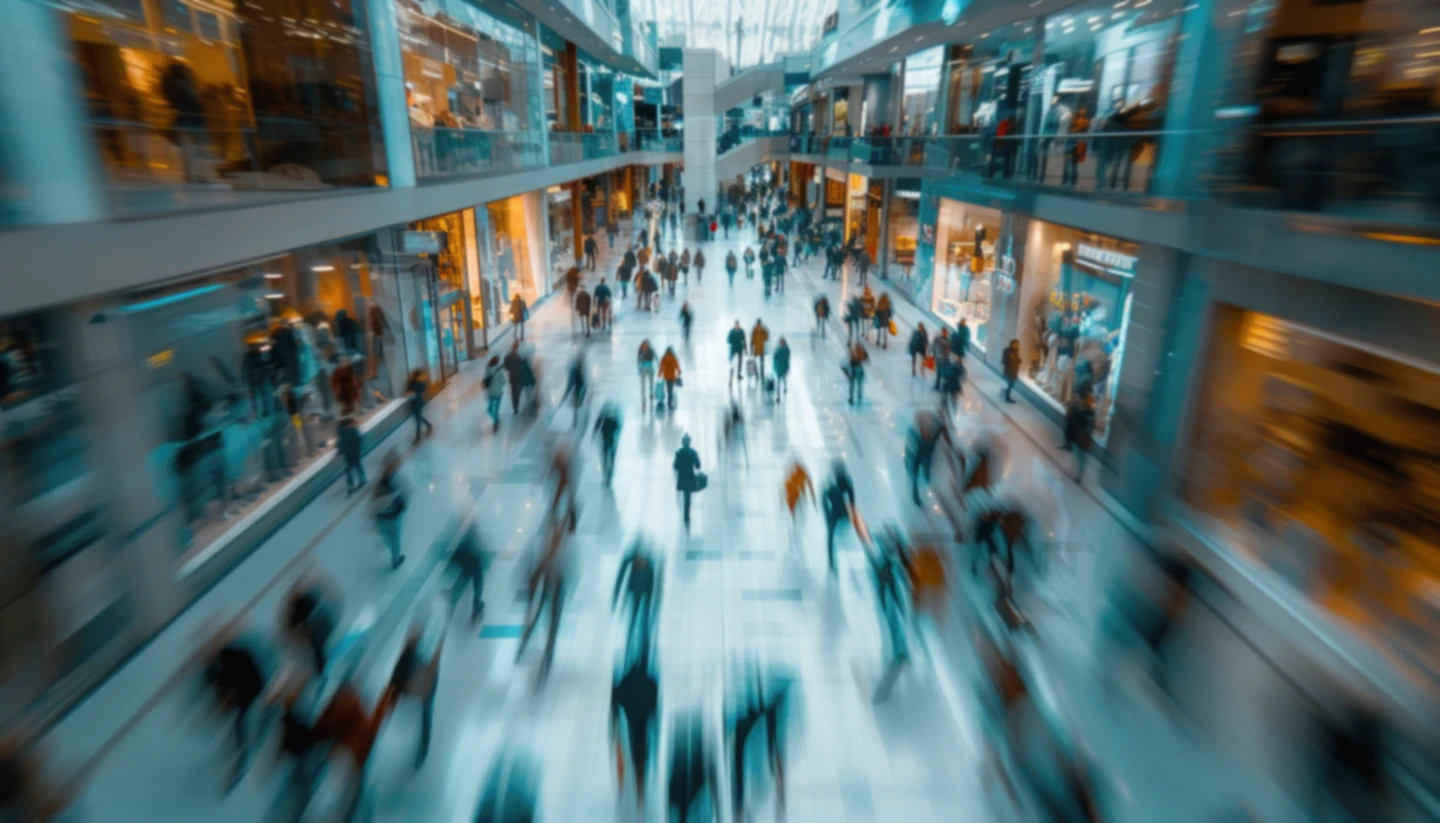
Blurred motion of shoppers moving through a busy multi-level shopping centre

Intrinsically anonymous vs. anonymised after the fact

This distinction matters enormously for risk and procurement teams. Some camera-based people counting systems claim privacy protection because they anonymise data after capture — blurring faces, deleting images post-processing. But the identifying information existed. It was captured. If the system were hacked or misused, it could be accessed.

Cohera-Tech's anonymous people counter works differently. Our overhead sensors use 3D depth mapping and thermal people counter privacy technology to detect shapes that match human dimensions, log a count, and move on. No image is ever formed. No biometric data is ever created. There is nothing to anonymise because there was nothing to capture in the first place.

This is why our technology is the right answer for organisations that need insights without exposure.

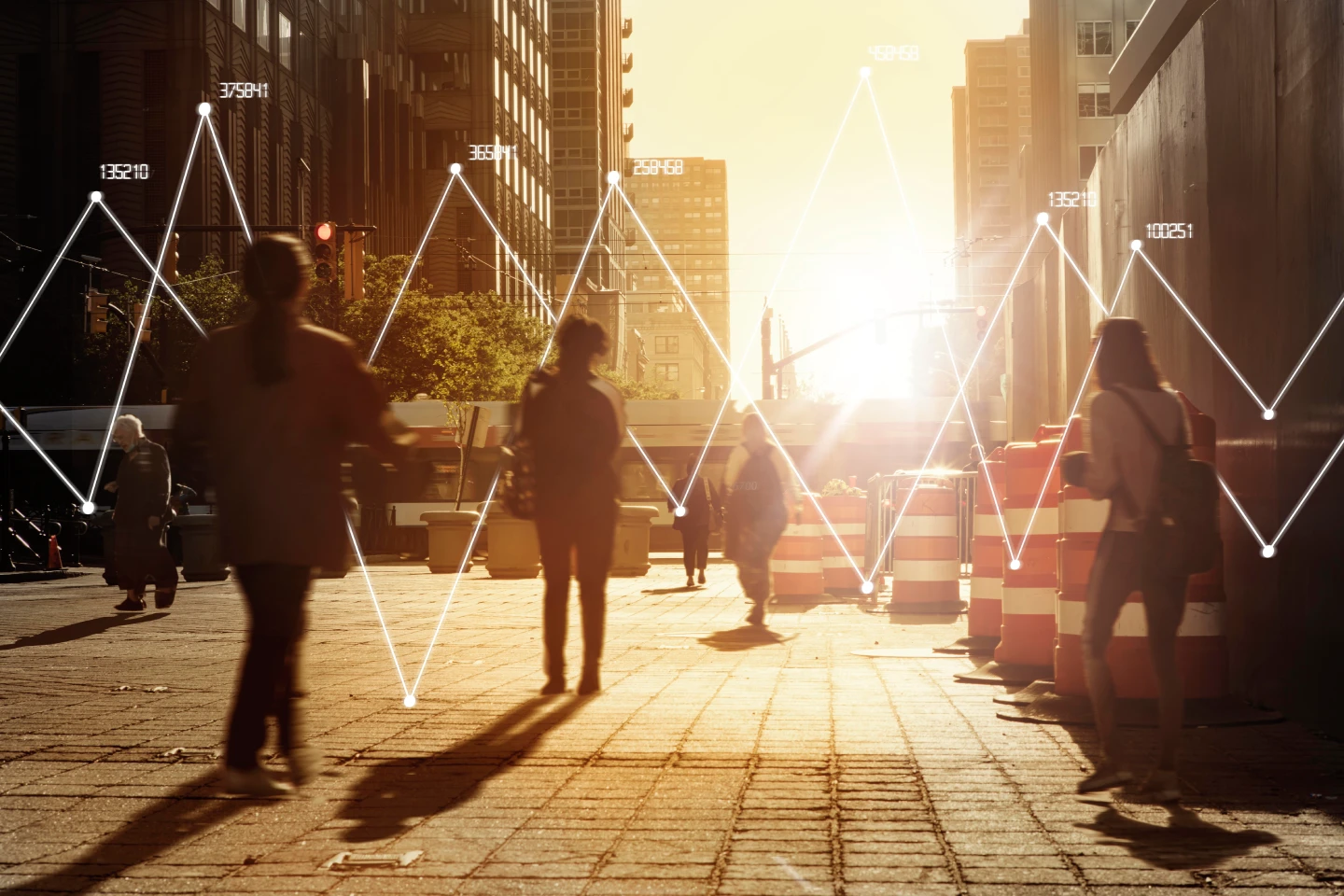
Pedestrians walking along a sunlit city street with overlaid data analytics graphics

Accurate data or no data — there's no middle ground

There's another issue with low-grade sensing technology that doesn't get talked about enough: it's often just wrong. Systems that can't reliably distinguish a person from a shadow, a trolley, or a passing reflection produce counts that are off by enough to matter. If your foot traffic data sits below 90% accuracy, you're not making informed decisions about customer behaviour — you're making expensive guesses.

This is where privacy compliance and data quality are actually the same argument. Cohera-Tech's 3D depth-sensing technology doesn't just avoid capturing biometric data — it's also far better at knowing what it's actually counting. Our Swiss-made sensors deliver a minimum of 96% accuracy, with most installations hitting 98–100%.

If you're currently running an older or lower-accuracy system, it's worth knowing how straightforward switching can be.

Built for compliance, not retrofitted for it

The VemCount platform powering Cohera-Tech's anonymous data and visitor tracking software is fully GDPR compliant — meeting the European Union's General Data Protection Regulation, one of the world's most rigorous privacy frameworks. No images or bio-data is captured. No footage is stored. Only logged numerical counts are encrypted and sent securely to our world class VemCount platform for reporting and analysis.

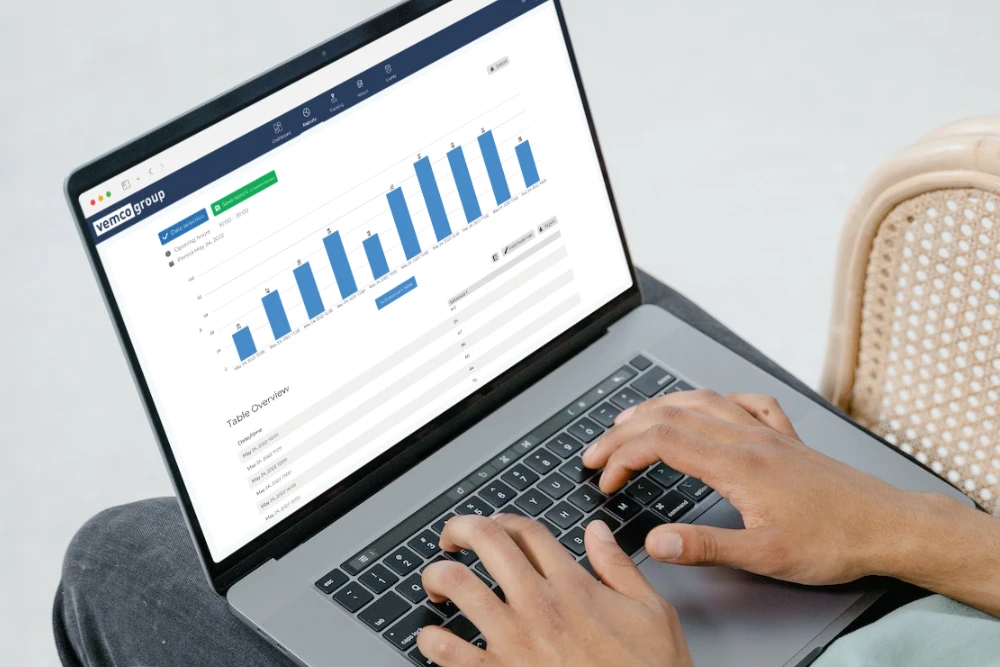
vemco dashboard

For Australian organisations, this matters beyond current legal obligation. The Privacy Act is tightening. Community expectations around surveillance are hardening. Aligning with GDPR-grade compliance now means your procurement decision is defensible today and future-proofed for whatever comes next.

When a grant reviewer or board member asks how you've ensured this technology respects privacy, the answer isn't a policy document. It's architecture. The system cannot capture what it was never built to capture.

That's anonymous by design.

Want to understand how Cohera-Tech's privacy-compliant people counting software works for your venue? Let’s have a chat

Already Have People Counters? Here’s the Smarter Upgrade.

Thinking About Switching Your People Counting Software?

If you’re looking at people counting solutions in Australia, or trying to compare software, something’s probably bothering you.

Maybe subscription costs have crept up.
Maybe you’re being nudged to “refresh hardware”.
Maybe the dashboards feel stuck in 2014.

Here’s what we’re seeing across retail, public spaces, universities and commercial buildings:
It’s not always the sensors that are the problem. It’s the limitations of the service and software provider behind them.

This Isn’t About Buying New Devices

There are two very different scenarios when organisations consider switching:

  • The hardware is still performing well — but the platform isn’t.
  • The hardware and the reporting layer both need improvement.

The key is knowing which one you’re in.

We’re hardware-agnostic by design. If your existing sensors are still fit for purpose, we work with them. If they’re not, we replace them as part of a structured plan.

It’s not about selling hardware.
It’s about getting the infrastructure right.

And if upgrading sensors genuinely makes sense for your environment, we supply and install high-accuracy devices delivering up to 99% validated accuracy. For expert advice and support from day one, reach out to the team for a chat.
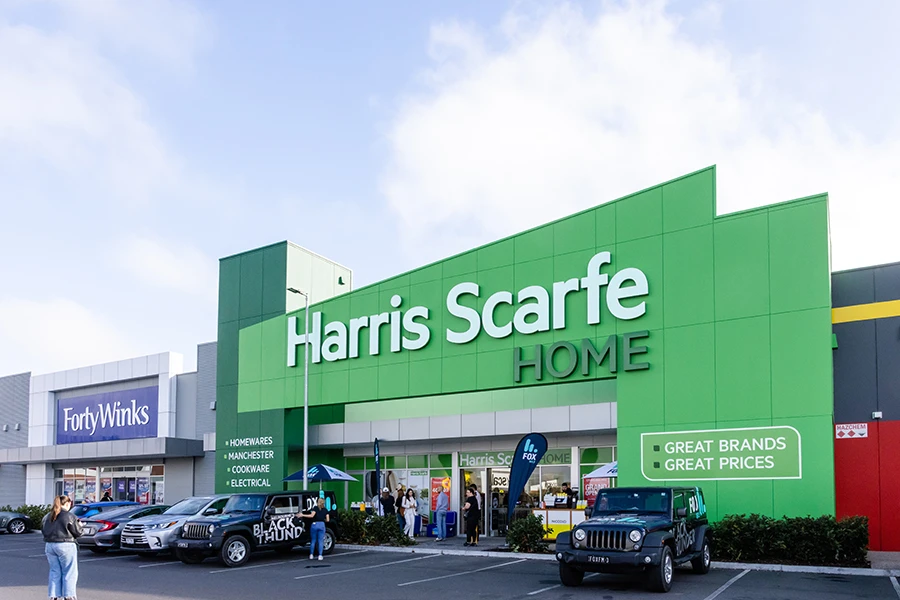
New Harris Scarfe storefront in Australia

A Real Transition: Harris Scarfe

Harris Scarfe recently transitioned 64 stores to the Vemcount platform. Not because their counters stopped working, but because they were reviewing hardware refresh cycles and subscription structures that no longer made commercial sense. They also wanted a platform that better supported the level of store traffic analytics the business relies on.

Rather than ripping out hardware, the rollout was staged by sensor type. Existing devices remained in place while a parallel data feed ran before final cutover. No downtime. No blind spots.

That’s the part most people miss when they’re wanting to know how to swap people counting software. Switching doesn’t automatically mean replacing infrastructure. Often, it simply means upgrading the backend.

If you’re wondering whether you need to upgrade your people counters to make a change, the answer is usually no.

As Kevin Ford, Director of Cohera-Tech, puts it:

“Organisations shouldn’t feel locked into legacy platforms simply because hardware is installed. Harris Scarfe’s transition shows that upgrading the backend can be controlled, staged and commercially sensible.”  Kevin Ford

Camberwell Place Shopping Centre and Silvershop have also transitioned from existing providers for similar reasons — commercial pressure, subscription creep, and limited reporting flexibility.

This shift is already underway across sectors, with more organisations reassessing long-standing hardware and platform decisions.

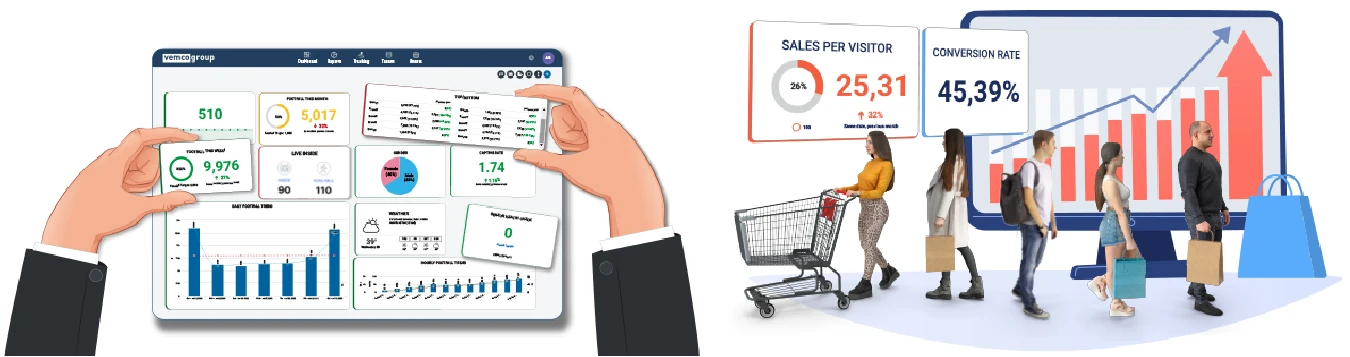
People counting dashboard displaying visitor analytics software metrics and store traffic data visualisation.

Protecting the Integrity of Your Data

Accuracy isn’t optional. It underpins staffing, compliance, space utilisation and commercial decisions.

When we transition a system, we don’t just switch dashboards. We validate the data. We recalibrate where needed. We review configurations that may not have been optimised in years.

If existing sensors are performing well, the raw data stream stays consistent. If hardware is underperforming, we upgrade it with modern, high-precision devices as part of a structured rollout.

The result isn’t risk. It’s stronger, validated store traffic analytics you can rely on.

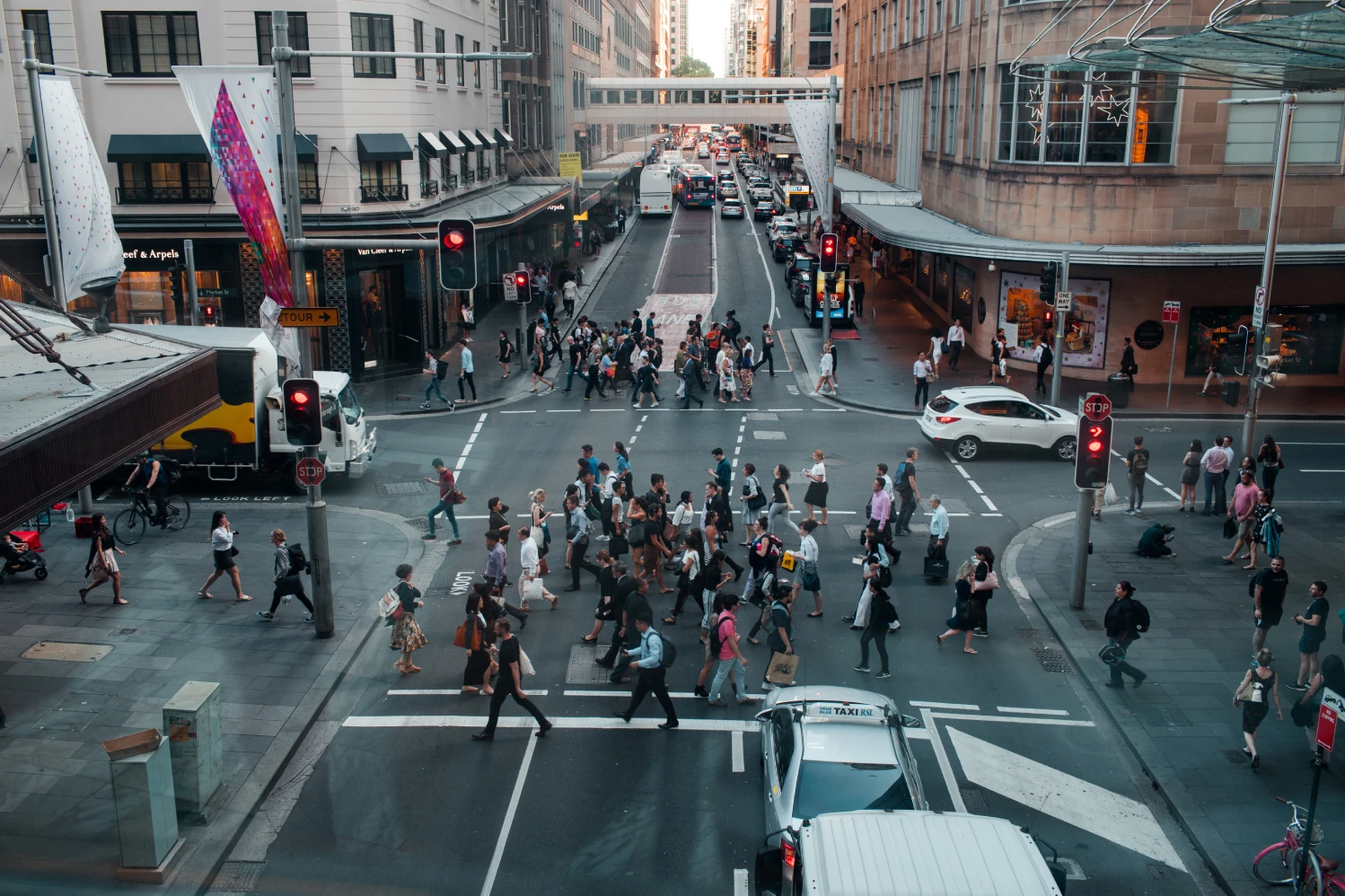
Busy city intersection in Sydney with high pedestrian traffic illustrating real-world people counting environments.

The Bigger Shift Happening

This isn’t just about Harris Scarfe. Across sectors, we’re seeing the same mindset shift:

“I don’t want to be trapped by my last hardware decision.”

Many people counting solutions in Australia involve mixed device types. Locking all of that to a single proprietary backend creates unnecessary refresh cycles and inflated upgrade costs.

As a hardware-agnostic ecosystem, we decouple infrastructure from reporting. That means:

  • You protect your existing investment.
  • You improve the decision layer.
  • You avoid unnecessary rip-and-replace.
  • That’s what practical future-proofing looks like.
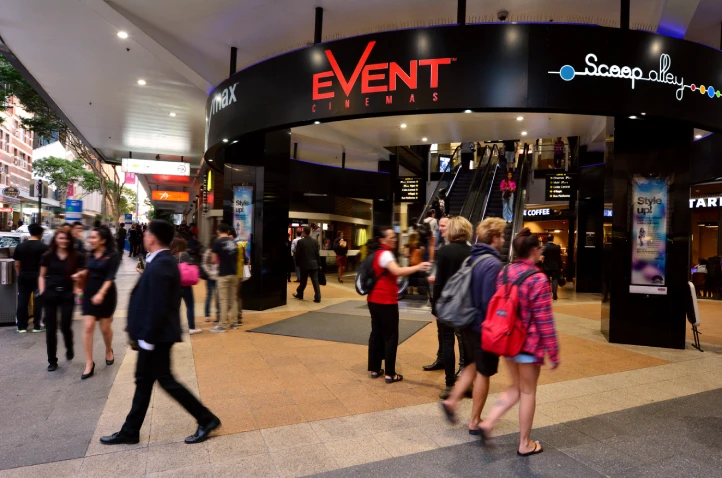
Retail shopping centre entrance in Brisbane City with customers entering and exiting stores for footfall measurement.

Global Platform. Local Accountability

Enterprise platforms promise scale, but what matters is reliability.

That means accurate calibration. Real validation. And someone local who understands your environment when something needs attention.

Cohera-Tech combines the global Vemcount platform with hands-on local support. Hardware when it’s needed. A flexible reporting ecosystem that adapts as you evolve. Ongoing monitoring that ensures your system performs long after installation.

Business leader speaking on phone while reviewing options for switching people counting software.

So, Should You Switch?

If everything’s humming, great. But if you’re comparing people counting software Australia-wide, questioning subscription structures, being nudged toward unnecessary hardware upgrades or wanting better visitor analytics software without breaking the bank, it’s worth knowing this:

Switching doesn’t automatically mean replacing hardware.

Sometimes it simply means upgrading the platform behind it.

And if a 64-store network like Harris Scarfe can transition without ripping out ceilings, the process is probably less dramatic than you’ve been led to believe.

If you want to sanity-check your current setup, reach out to the team. We’re happy to walk you through it.

Western Sydney University Solar Powered People Counting

PowerStack: Solar Powered People Counting

Discover how Western Sydney University & Cohera-Tech harnessed the sun in a hard-to-reach site to measure usage of a new access point to campus.

Light Rail Stop - Western Sydney University Parramatta South Campus [Image generated using Gemini AI]

The Challenge:

When Western Sydney University wanted to measure the success of a new light rail stop providing access to the Parramatta South Campus, they needed a people counter but didn’t want to run power or data cables to the site. Cohera-Tech’s sensors can use a customisable 4G kit to transmit the data but do need a small amount of power to facilitate that.

The Solution:

Cohera-Tech partnered with Western Sydney University, PowerStack and Reliant Electrical to utilise and modify a solar powered array built into a five-metre fixed pole structure. PowerStack delivers 100% off-grid solar power with no cabling or trenching. The pole generates enough solar power to its batteries to power both the sensor and the 4G modem.

The Results:

Universities have long known the power of people counting to measure occupancy and space utilisation on campus. By leveraging Cohera-Tech's insights, they can work to optimise room bookings and room utilisation. In this case, they are now able to measure the ROI of a newly opened light rail stop – was it being used?, how frequently?, what times? etc – on a continuing and ongoing basis.

This data provides a powerful tool for strategic decision-making, which has become a key ingredient in Western Sydney University’s continued success in attracting students to campus.

MAAP Retail Stores

MAAP: Powering Global Growth with People Counting

Discover how MAAP leveraged Cohera-Tech's solutions to scale their physical retail presence worldwide.

MAAP LaB Melbourne

[Source: MAAP]

The Challenge:

When MAAP, the globally-recognised performance cycling apparel brand, opened its first store in Melbourne, Australia, in 2022, they needed to understand key operational insights. The primary challenge was to gain crucial visitor traffic insights and identify peak trading hours to optimize staffing and store performance.

The Solution:

Cohera-Tech partnered with MAAP to provide a seamless people counting solution that scaled alongside their rapid global expansion. Our cloud-based Vemcount reporting solution gives MAAP's local store managers real-time footfall data, while their Head Office in Melbourne maintains a comprehensive overview of all stores worldwide. This solution provides continuous, 24-hour access to global insights.

The Results:

By leveraging Cohera-Tech's insights, MAAP has been able to make better-informed decisions. They can now optimise staff scheduling to match customer behaviour and measure the effectiveness of retail-focused marketing campaigns with precision. This data provides a powerful tool for strategic decision-making, which has become a key ingredient in MAAP's continued global success.

One of the key reasons MAAP partnered with Cohera-Tech, was our need to scale our Retail global footprint quickly and efficiently, from Berlin to Los Angeles and many countries in-between. Cohera-Tech made this possible via their streamlined Procurement, Deployment & Activation processes. I could not have done this without their support.

Justin Hansen

MAAP IT Operations Manager

Understanding Customer Behaviour

Managing changing customer behaviour & preferences in a Post–COVID world

The impact of lockdowns, reduced capacity levels and physical distancing have changed the way that the majority of Australian consumers are behaving.

The acute effects of COVID on business may have passed, but the chronic impacts on the way people think and feel about being amongst crowds haven’t.

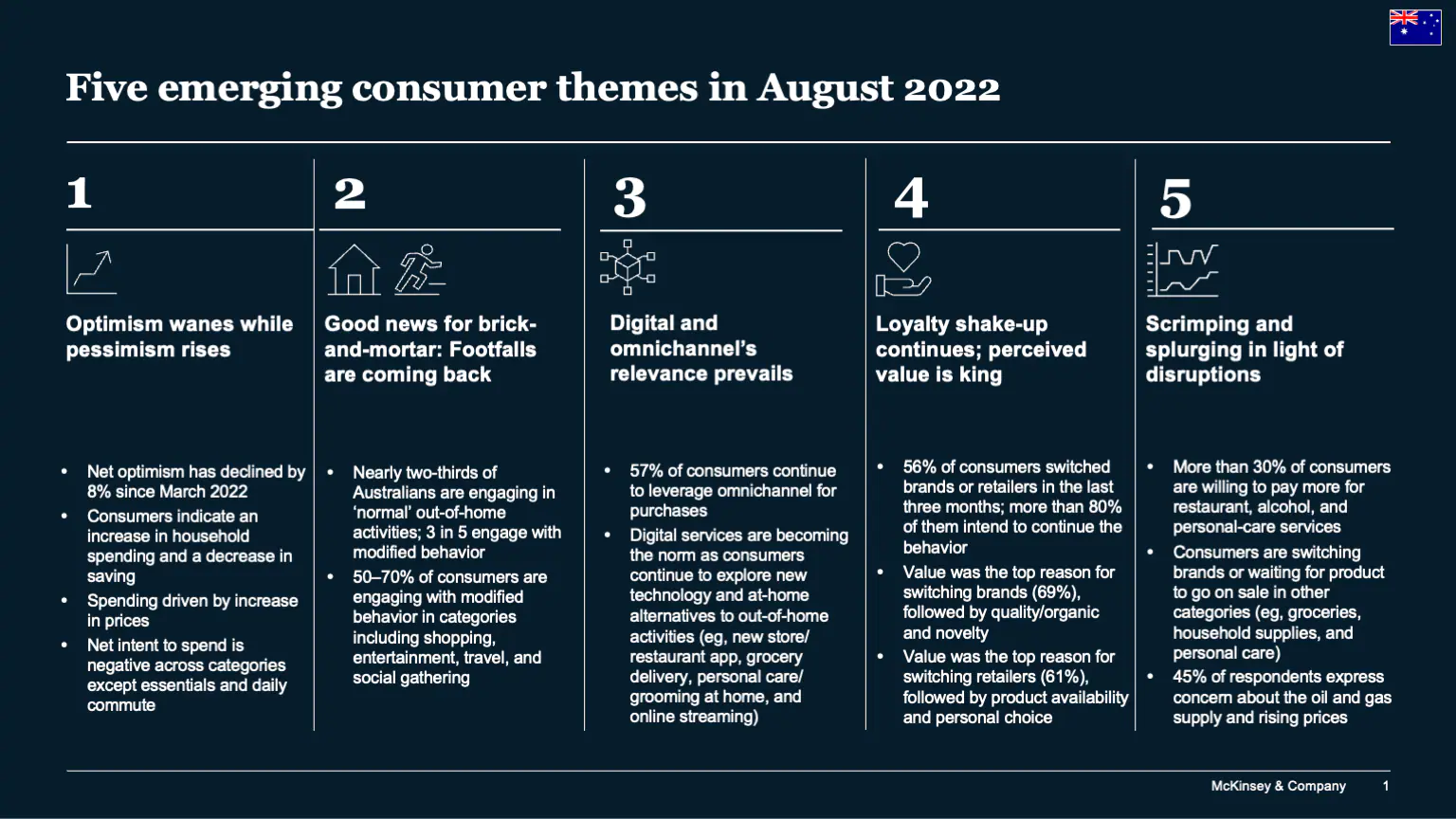
consumer themes

Source: McKinsey & Company

Consumer behaviour has changed in the wake of 2 years of COVID impacts

A McKinsey survey published in Oct 2022 highlighted the following:

  • Nearly two-thirds of Australians are engaged in normal out-of-home activities, three in five with modified behaviour
  • 50-70% of Australian consumers are engaging with modified behaviour in categories including shopping, entertainment, travel and social gathering
  • 56% of consumers switched brands or retailers in the last three months; more than 80% of them intend to continue the behaviour

The impact of lockdowns, reduced capacity levels and physical distancing have changed the way that

60% of people have changed their behaviour when shopping, dining or experiencing entertainment.

If you need help to understand how your customers’ behaviour has changed, Cohera-Tech provides solutions that include occupancy reporting, when and where peak dwell periods are experienced and walk past & walk in visitation metrics.

This is our 20th year helping countless venues across a range of categories to understand better their customer experience and how business can capitalise on shifting consumer trends.

We are the experts in people counting, and can help you achieve meaningful, actionable insights through our simple, intuitive and innovative reporting framework Vemcount.

All of our people counting methods are 100% anonymous, with no personal customer or visitor data captured or stored, and we pride ourselves on designing unique and accurate solutions for each of our clients, bespoke for their needs.

How People Counting Works

How People Counting Works

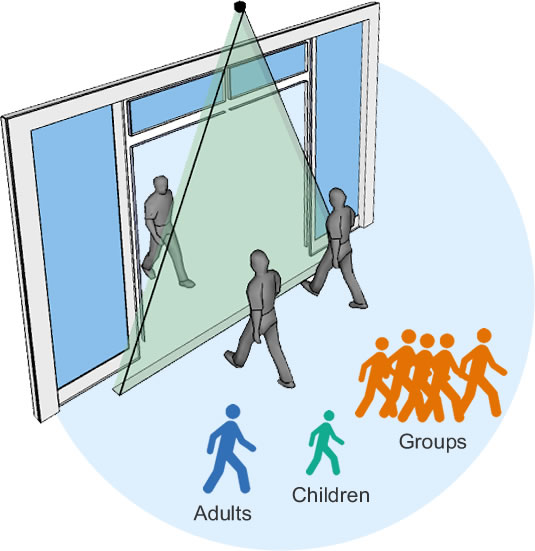
Our highly advanced people counting sensors are installed in strategic locations within a venue to track and count visitors in key areas. For example, sensors are placed at the entrance and exits of a retail store to provide an accurate count of how many people enter and leave the store.
 
Designed to be discreet, the sensors are typically ceiling-mounted and use Artificial Intelligence to detect individuals and groups entering or exiting a space. Our smart sensors are capable of differentiating between adults and children, gender and also excluding staff from occupancy if required.

People Scanned on Entry - Graphic

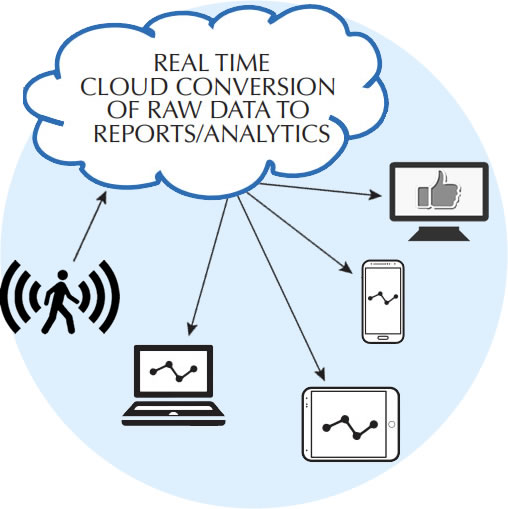
The data collected by each sensor is then transmitted to secure cloud-based servers located in Australia for immediate processing by our intuitive analytics platform where algorithms calculate occupancy levels and space utilization. Our reporting system operates in real-time with instantaneous updates to reports appearing on computers, tablets and all mobile devices. If required, the reliable data can also be integrated with other reporting systems, for further analysis.

People Counting Schematic

The animations below shows how an entrance level people counting solution captures visitor information. You can see the movement of individuals and groups through a venue, and with the appropriate sensor coverage how we can show real time occupancy, visitation and dwell information in relation to zones with heat mapping.

How People Counting Works

Click to play

Entries, Zones and Heatmaps

Click to play

If you want to know how Cohera-Tech can help you measure and understand visitor traffic to your venue and how you can make smarter and better decisions to improve your operations and customer experience, contact us on sales@cohera-tech.com.au or 1800 094 210.

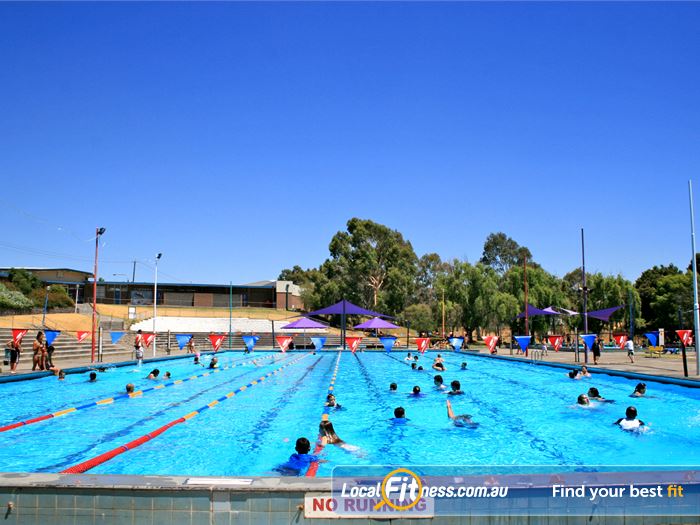
Active Merri-bek Aquatic Centres

Active Merri-bek Aquatic Centres, VIC

In October we delivered our market leading people counting solution at 3 iconic Melbourne community venues – Brunswick Baths, Coburg Olympic and Pascoe Vale outdoor pools. These facilities have been essential community destinations for over 60 years, and now their managers have more information than ever to help them understand their customer behaviour - How, why and when people do people choose to visit the pool?

The City of Merri-Bek and the YMCA run these facilities and both are long standing customers of Cohera-Tech. With the warmer weather approaching (allegedly!), we were given a very specific brief on how they wanted to improve their business operations – we were asked to provide data and analytics on a range of metrics, but they were particularly interested in the correlation between higher temperatures and customer attendance at these iconic pools. It’s no secret that the summer heat affects customer behaviour in all sorts of ways – but at what point does the data indicate that families feel that it’s time to go swimming? We are now looking forward to helping our clients answer that question more fully and believe this will significantly enhance decision making around opening hours and staffing levels. We believe the improvements in customer experience will be tangible.

We were delighted to assist and now provide reports in 15-minute increments that shows what happens to customer traffic when the external temperature rises. We hope that with this information, families in Melbourne’s North can now benefit from improved service and efficiency when they look to take refuge from the heat.

If you want to know how Cohera-Tech can help you to make smarter and better decisions to improve your business operations and customer experience, contact us on sales@cohera-tech.com.au or 1800 094 210.

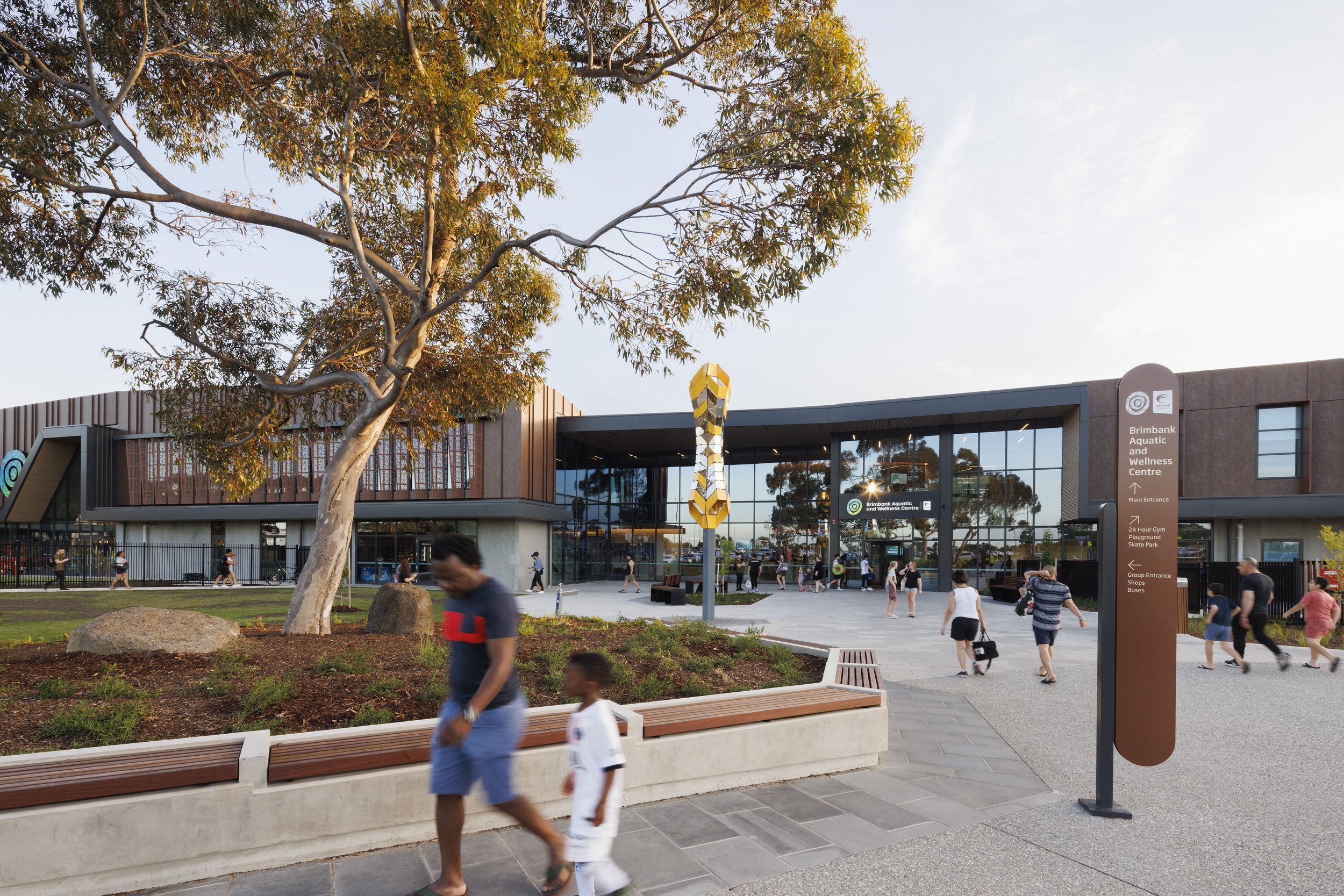
Brimbank Aquatic and Wellness Centre

Brimbank Aquatic and Wellness Centre, VIC

The Western suburbs of Melbourne have a new home of Health and Fitness at Brimbank Aquatic and Leisure Centre. Construction of the state of the art facility concluded earlier this year, and Cohera-Tech is delighted to be providing business intelligence analytics to the management team and the council at this exciting and important time.

Originally approached to provide a straightforward and traditional door counting solution, we worked with the team to understand what insights about their customer’s behaviour they were looking for, and recommended a suite of sophisticated business intelligence solutions that is now helping to provide the community of multi-generational users of this facility an unsurpassed experience.

Brimbank Aquatic

We are about to embark on phase two of this exciting project and expect to provide deep insights across most of the touchpoints that this incredible new facility has to offer:

  • A 50 metre, 10 lane Olympic-sized swimming pool with adjustable swim wall
  • Two massive water slides
  • 1000sqm health club across two levels accessible 24/7
  • Four dedicated group fitness studios for classes such as Reformer Pilates, Yoga and Cycle
  • Warm water exercise pool with separate spa, steam room and sauna
  • Six suite wellness centre
  • Kids’ splash park with slides and water features
  • Separate program pool for swimming lessons and other programs
  • Fresh food café with indoor/outdoor dining areas
  • Crèche
  • Community program room and more.

If you want to know how Cohera-Tech can help you to make smarter and better decisions to improve your business operations and customer experience, contact us on sales@cohera-tech.com.au or 1800 094 210.

Data Is The New Oil – Improving Asset Management Decision-Making

Technology is rapidly evolving and customer experience has never been more important. How can shopping centres stay ahead of the curve in today’s changing landscape? Prepared by Cohera-Tech Director Kevin Ford, the article was first published as a special feature in Shopping Centre New's 'Little Guns 2021' edition.

As shopping centres worldwide become ever more diverse, the complexity of management decision-making continues to increase. Brand or tenant changes are a day-to-day business. However, more strategic tenant mix adjustments that require capital investment need another level of justification and sign off. Essential supporting information about the performance of an asset includes customer footfall, tenant transactional data, customer behaviour and heat maps.

The industry is now moving towards the need for additional information such as catchment area demographics, travel and dwell time, weather, market capacity, psychographics, retail gravity models and everything in between.

Leading shopping centre managers have always been good at collecting data and understanding their tenants and customers; however, it often depends on the quality and experience of the local team. As the market has shifted, mainly due to the global pandemic, many shopping centre owners internationally are now offering turnover only rents, in order to enter into a more collaborative approach with the tenants. This has improved the relationship between landlord and tenant and caused a boom in demand for effective tenant revenue models. These tenant revenue systems capture critical transactional data within a secure data collation system.

 The Vemco Suite is exclusively supplied and supported in Australia and NZ by Cohera-Tech 

The need to understand the customer better allows shopping centre management to communicate with shoppers more effectively. This takes us over the horizon, from the old scattergun approach to marketing.

Once we understand customer behaviour, shopping patterns and brand loyalty, we can communicate more efficiently and effectively..

The fear of data and privacy laws have seen centre owners resistant to fully committing capital to invasive consumer database systems. However, the global pandemic has seen a ten-year evolutionary leap in online versus physical retail sales, with 2030 arriving in 2020. In the best Darwinian principles, retailers and shopping centre owners have been forced to evolve or die. Equally, tech companies have developed cutting-edge suites that combine all legacy industry-standard data feeds and many new ones within one integrated system with access via a single interface or Application Programming Interface (API).

The latest analytics systems for shopping centres can accept data from an ever-increasing range of smart sensors, significantly enhancing the understanding of customer behaviour. The types of sensors employed can range from parking bay sensors that guide customers on their arrival at the centre; people counting sensors based on 3D or LIDAR technology that can deliver biometric data; as well as count and track customers on their journey through the shopping centre without the privacy implications and concerns of more invasive technologies such as WiFi tracking; and a host of Internet of Things (IoT) sensors to track the performance of the building itself in real-time. Leading systems can also integrate and capture individual tenant-specific information such as point of sale data. This integration means landlords, centre managers and retailers no longer need to invest in developing ‘in-house’ systems; they can be easily bought off the shelf.

Alt text

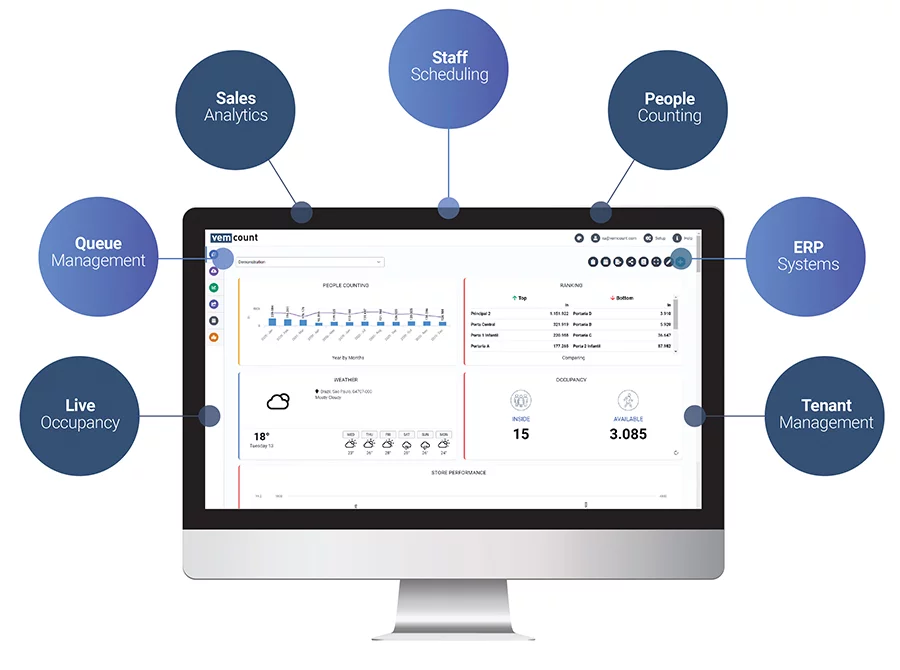
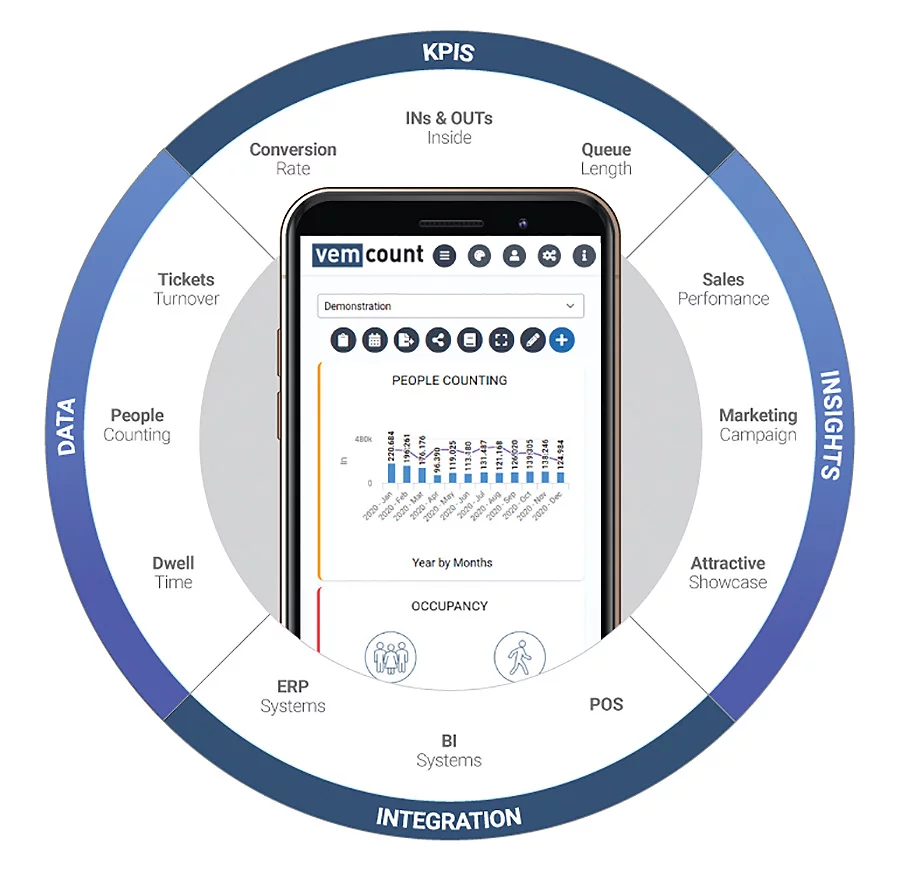
Vemcount overview

These tried and tested systems are already being used in hundreds of malls across Europe and North America.

As an industry, Shopping Centres are waking up to the fact that shared data is powerful data. It is easy to see how we get to the thought that ‘data is the new oil’ as data can improve how we make intelligent asset decisions and communicate with our customers.

Social media giant Meta, (owner of Facebook), has algorithms that only supply content users want to see, which keeps them interested and engaged longer. If we consider that a mall is a smartphone and tenants are apps, then we are moving towards a world that Gen Z exists within. The personalised customer journey and experience is only possible if we can profile customers via their shopping patterns, brand loyalty and journey characteristics.

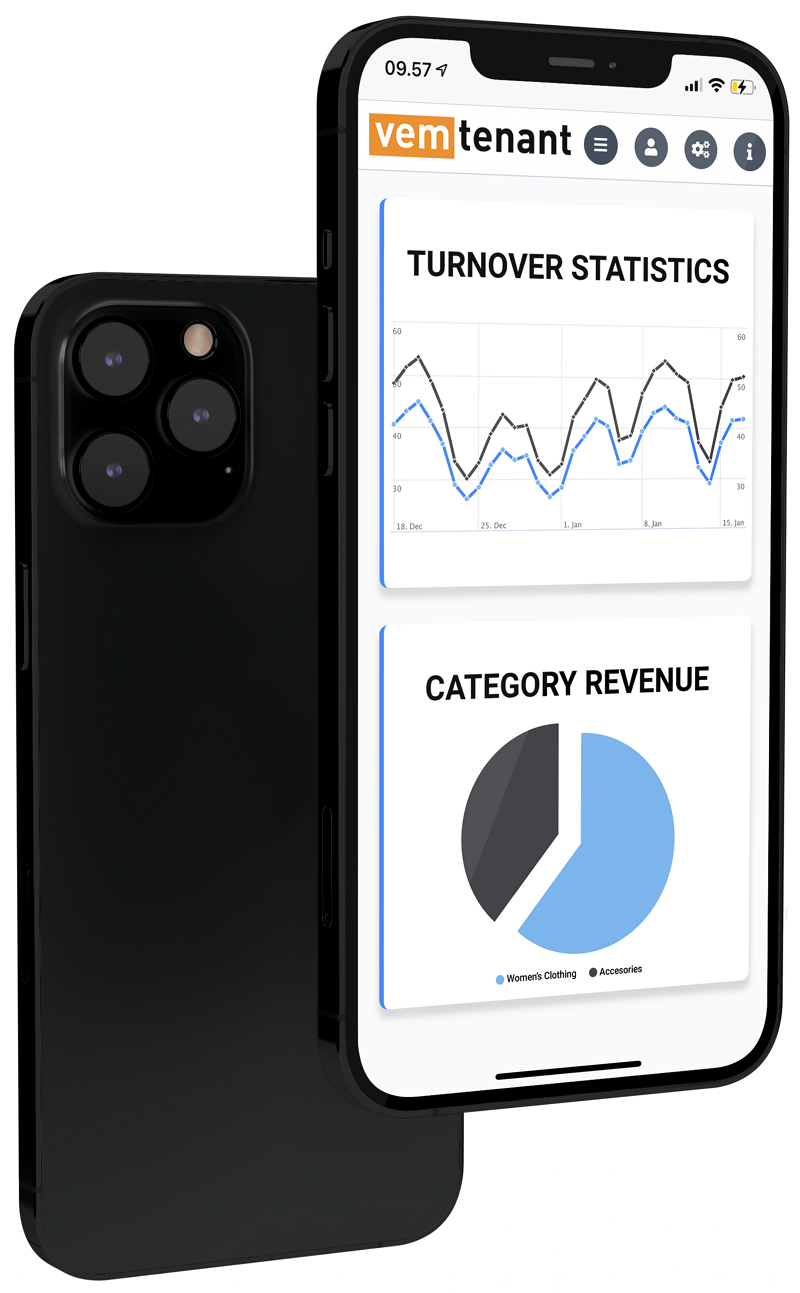
alt text

Vemtenant uses a wide range of metrics, including footfall and sales data, to help property managers make more informed decisions  

If the industry is going to thrive in a post-pandemic world, doubling down on digital and embracing the ‘data is the new oil’ mentality will be the way forward. Darwin will again be correct, and it will not be the biggest or strongest that will survive; it will be those that are able and willing to adapt and evolve the quickest.

At Cohera-Tech, our goal is to help our partners be at the forefront of their industry by delivering them the most innovative and powerful data analytics tools available.

The latest of these is the Vemco Suite from Vemco Group, a comprehensive range of cloud-hosted software modules that focus on specific solutions for Shopping Centres and includes Vempark, Vemcount, Vemtrack, Vemtenant, Vemiot and Vemfusion. The Vemco Suite is exclusively supplied and supported in Australia and New Zealand by Cohera-Tech.

Acknowledgements – Gary Burrows – Fit For Commerce, Malls and Meeting Places. 

Original published Shopping Centre News Article

Shopping Centre Advertisement

Auckland University of Technology – People Counting Gold

In October Corrie Cook, Director of Space Planning and Timetabling and Blair Daly, Associate Director of Space Planning and Timetabling, presented an on-line case study, to the Tertiary Education Management Online 2021 Conference, covering their experience of identifying and resolving the problem of efficient usage of the 300 teaching spaces in multiple venues at their University.  Click here to watch the presentation.

THE PROJECT BRIEF

The Auckland University of Technology (AUT) Facilities Team identified the need to effectively manage and optimise the range of university facilities across all locations and campuses. To achieve this, they needed a practical real time system to monitor changes in student attendance and analytics that would facilitate results comparisons against current and historical data.

Cohera-Tech’s experience in this field is extensive, with similar installations and data analytics programs having been installed in many major universities in Australia, which made them a natural first choice for the program.

ABOUT AUT

AUT has been a university for 20 years , but a place of learning for 120 years. It is New Zealand’s second largest university in terms of student enrolment with approximately 29,000 students enrolled across five faculties and is ranked in the top 1% of universities worldwide by Times Higher Education. The university has three campuses in Auckland and an additional two specialist locations - AUT Millennium, Warkworth Radio Astronomical Observatory.

Presentation Summary

In their presentation Corrie and Blair have covered the difficulties encountered with other faculty members and academics, holding different views and varied solutions and their commitment to the status quo.

Corrie and Blair detail the process they used to overcome objections to “people counting”, how they tested the concept and obtained budgets for the equipment and software system and expenditure justifications used in their proposals.

test alt text

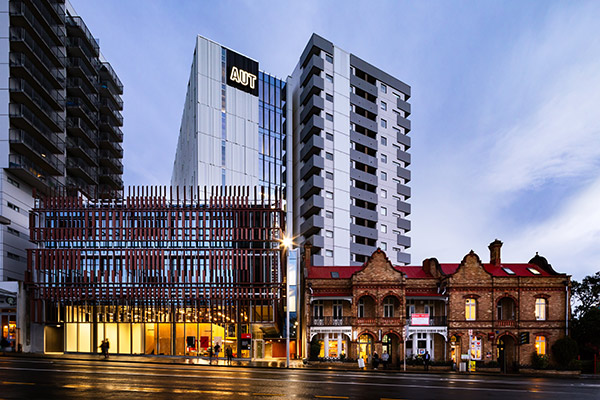
AUT Nga Wai Hono Building, Auckland     Source: Jason Mann photography

They cover their experience in installing the sensors and the development of the reporting / analytics software for their particular data requirements. They also reveal why they chose the Cohera-Tech system rather than other options.

AUT Mana Hauora Building

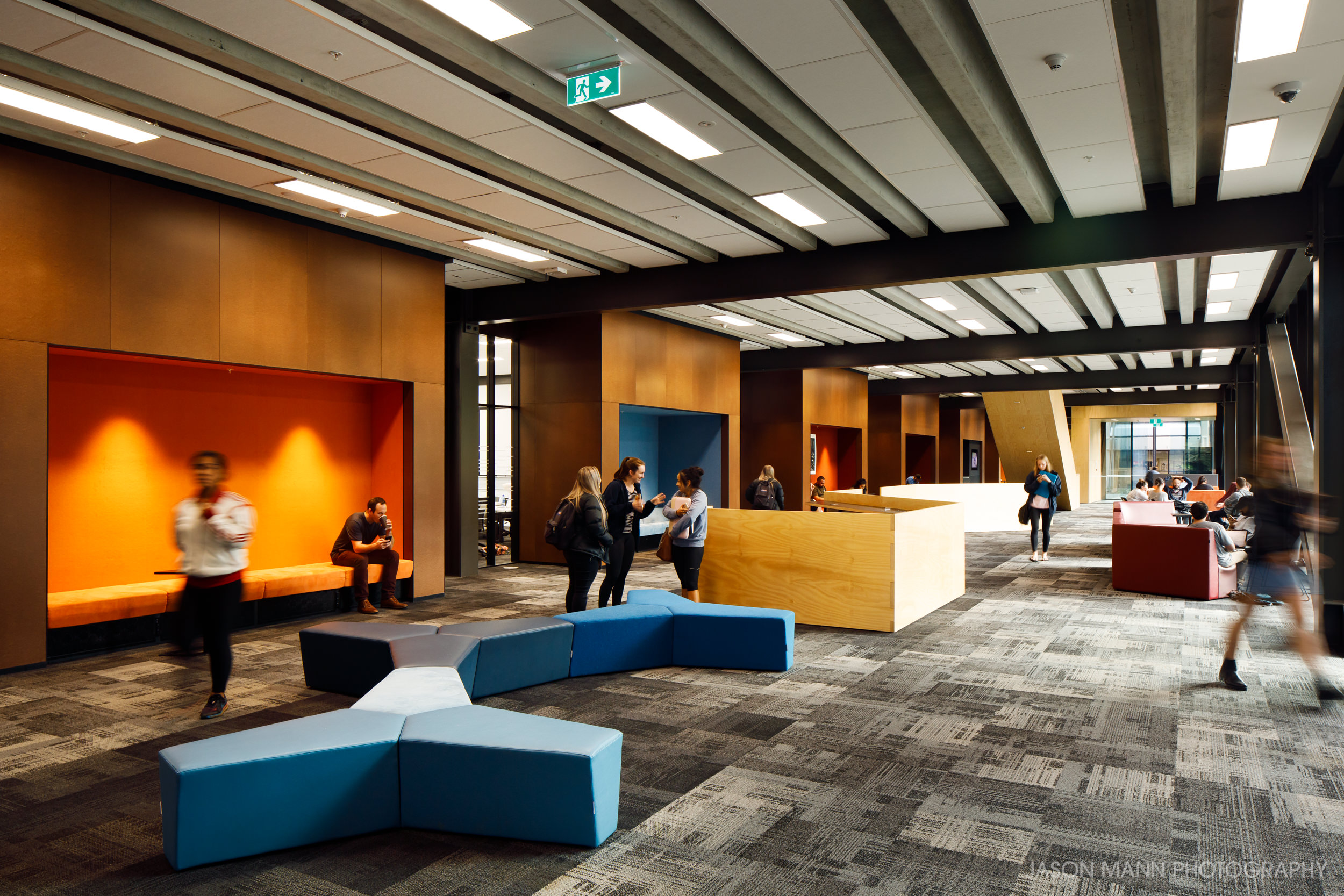
AUT Mana Hauora Building, Auckland     Source: Jason Mann Photography

They address the benefits that have emerged from accurate people counting in terms of both, return on investment and on real cost / efficiency gains experience from the better management of the assets under their control. Summed up by the statement “We told you so!”

They summarise with a look to the future, through the installation of other people counting systems in other areas of the university and the likely gains, now that the system has proved effective and cost saving.
Watch a recording of the presentation by completing the form below. 

Watch the Video

Video Presentation

Submit the form below to watch the video.

By submitting this form you agree that Cohera-Tech  Pty Ltd may contact you via email for the purpose of following up on your interest in this topic. You can unsubscribe at anytime.

Winston Hills Mall

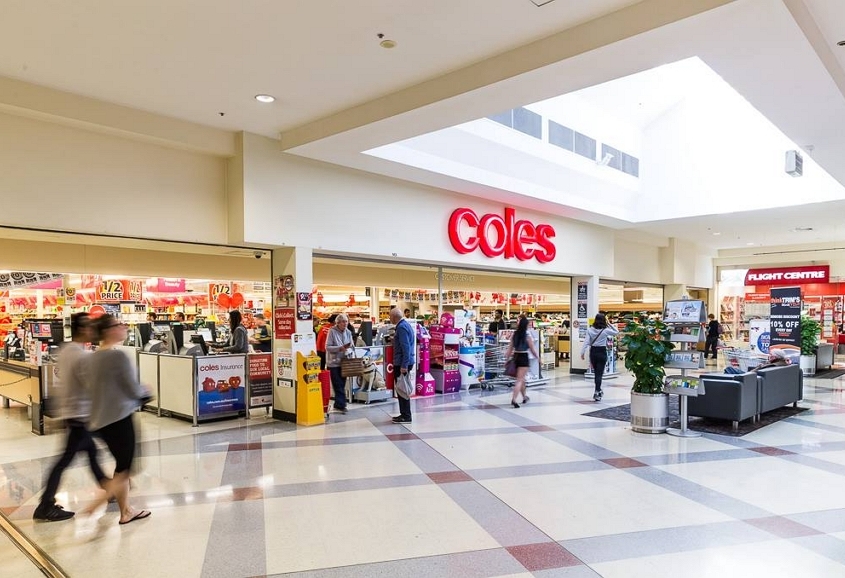
People Counting Solution at Winston Hills Mall , NSW

Located in Sydney's Hills District, Winston Hills Mall has over 60 specialty shops and 24,000sm of retail floor space. Winston Hills Mall centre management approached Cohera-Tech for a cost effective and easy to use reporting solution to help measure mall performance by monitoring visitor traffic and centre occupancy.

We installed multiple overhead people counters at all entry/exit points throughout the centre using 4G connectivity to send count data to our cloud-hosted reporting system. This resulted in quick and low cost deployment, reducing the need for additional cabling throughout the mall.

Our cloud-based reporting system allows centre management to access and analyse data 24/7 from any internet connected device. The system features customisable dashboards and reports in both tabular and graphical formats, enabling centre staff to obtain a quick snapshot of mall performance indicators and generate key performance reports on the fly. Reports can also be downloaded in various formats at the touch of a button for further analysis or communication to stakeholders.

Nicole Galea, Marketing Manager at Winston Hills Mall explains the benefits of the Cohera-Tech system:

We are very pleased with our new people counting system from Cohera-Tech. This system enables us to monitor the mall occupancy level in real-time, identify popular times of day, and compare daily, weekly and monthly data. The interface is easy to use and the people counters themselves are discreet and the installation process was stress free. One of the most useful features we enjoy using is the traffic heat map - this graphically identifies the most popular mall entry points at various times of the day on the centre map. This helps us to provide detailed information to our tenants and allows us to effectively manage the day-to-day operations of the shopping centre.

At Cohera-Tech, we offer the most advanced, accurate and reliable people counting devices in the market with a typical count accuracy in excess of 99%. Combined with market leading real-time analytics and reporting software, our people counting solution provides shopping centre management and retailers with the necessary tools to effectively monitor centre performance.