The future of bricks and mortar is experiential | MOF26
Retail isn't dying. It's just getting interesting again.
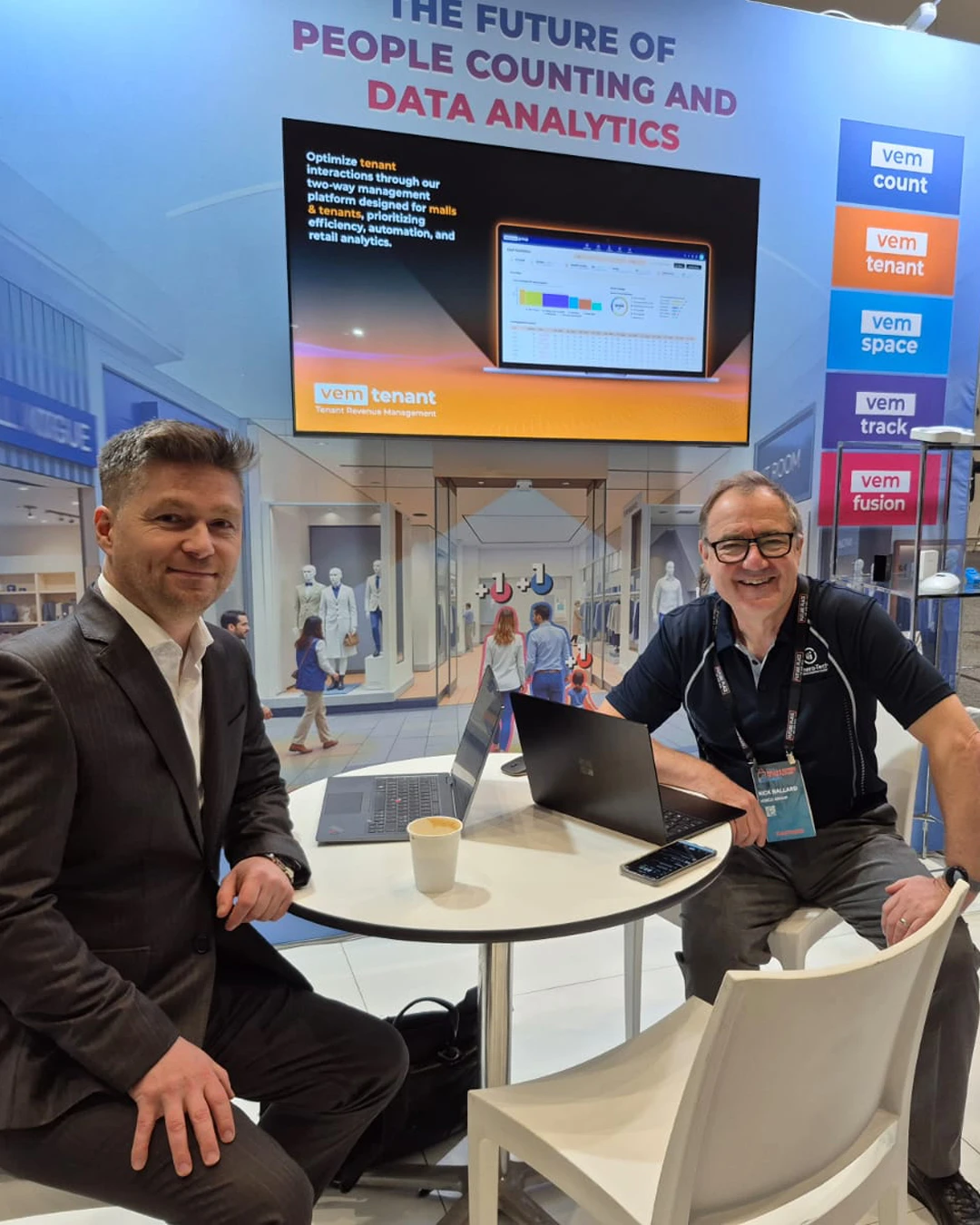
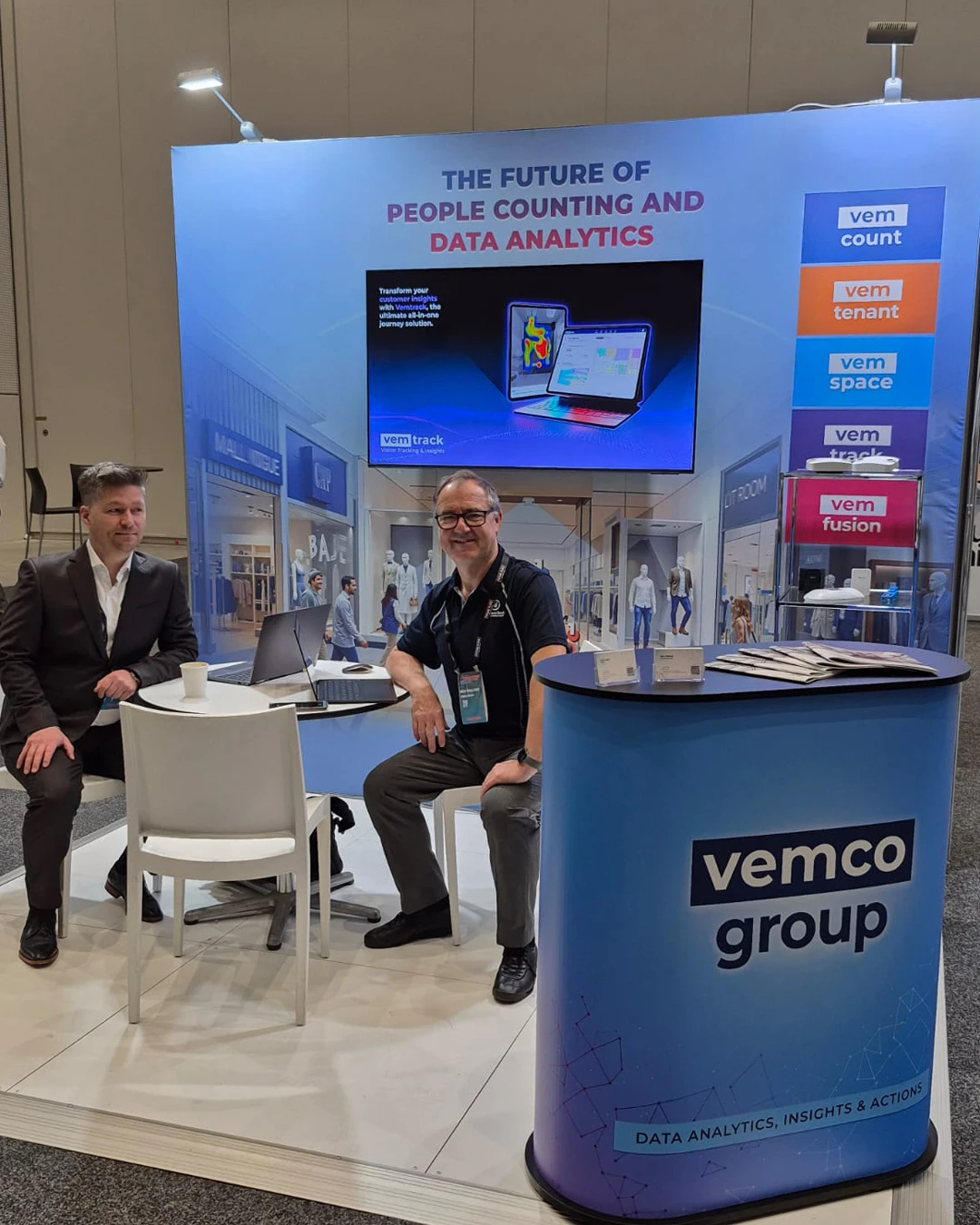
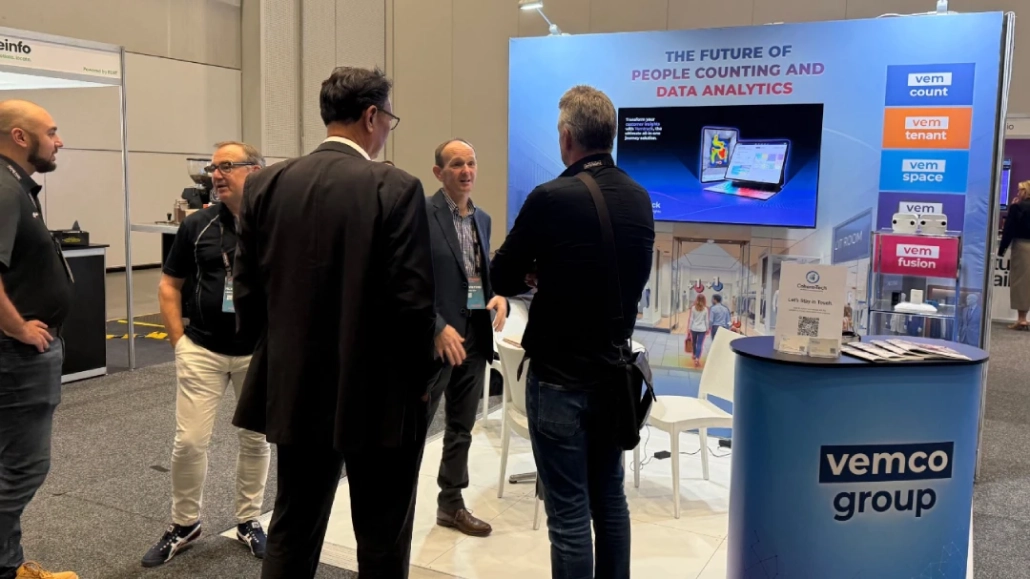
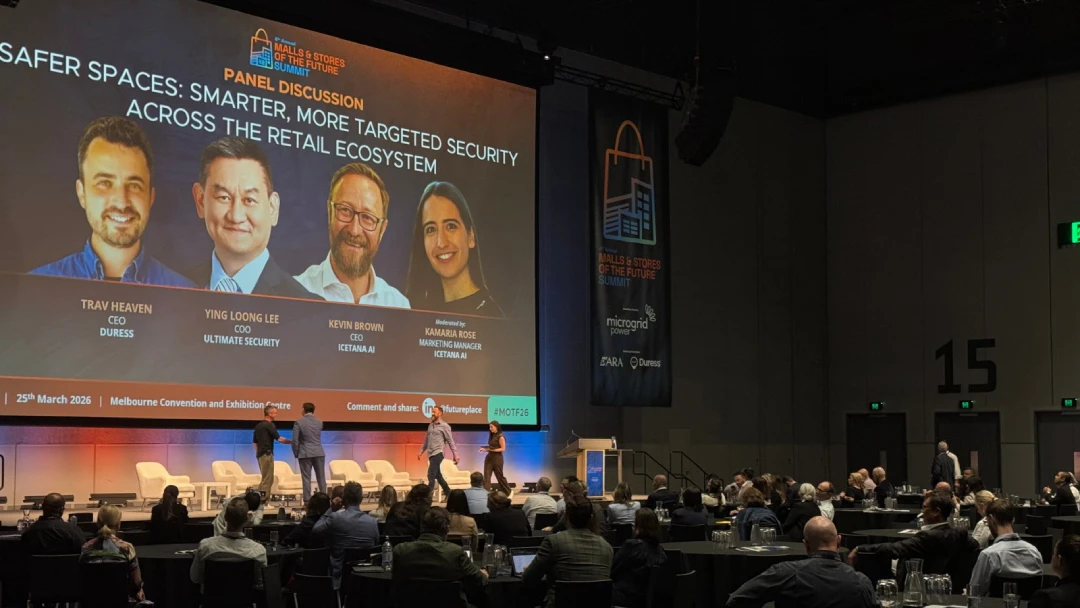
Last week, our team spent three great days at the Malls of the Future Summit — on our feet, talking to mall operators, retailers, and just about anyone who'd let us corner them near the coffee queue.
We came away genuinely energised. Not only in a "great networking event" way. In a "the mall industry is actually at an inflection point and we want to be part of it" kind of way.
Here's what stood out.
People are finally talking about staying, not just arriving
For years, one of the standard measures of a mall's performance was footfall. How many people came through the door? It's a very important number, but we always wanted to add more — like judging a restaurant by how many people look at the menu outside .
What we heard at Malls of the Future was a genuine shift in how operators are thinking. The conversation has moved from counting to understanding. How long did someone stay? Where did they go? Did they come back? These are the questions that actually tell you whether your space is working.
Dwell time isn't just a feel-good metric. For a mall, it's the difference between a visit that turns into one purchase and a visit that turns into three. For a retailer, it's the difference between someone glancing at a window display and someone who stays long enough to actually buy something. The industry knows this. What's exciting is that the tools to measure it properly are finally catching up.
The best retailers are redesigning around their customer, not their product
One of the standout presentations of the conference came from Reid Nakou at The General Store, who made a compelling case that the purpose of a physical retail space has fundamentally changed. It's no longer primarily about shifting product. It's about creating somewhere people actually want to be.
That sounds like marketing fluff until you see the data behind it. Baby Bunting is a good example. New leadership came in, looked at their stores, and asked their customers what they actually thought. The feedback was blunt: too noisy, too much, too hard to find what you need.
So they stripped it back. Cleaner zones. Less clutter. A store designed around the specific experience of being pregnant or a new parent — which is to say, often tired, often overwhelmed, and not in the mood for decision paralysis. The result? Sales up 25–30% in the redesigned stores. Dwell time up significantly.
It's a simple idea executed really well: understand who your customer actually is, then build the space around them.
There's a generational shift coming that malls aren't fully prepared for
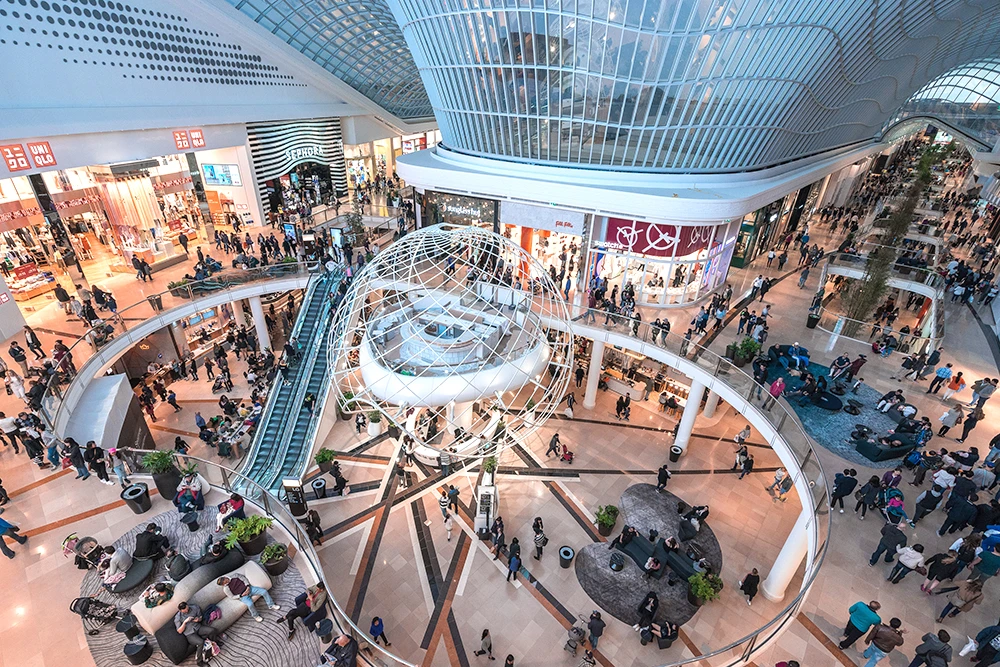
One of the more thought-provoking threads through the conference was around younger audiences — specifically how Gen Z and younger millennials actually use mall spaces.
The short version: they loiter. They hang around. They come in groups, spend time, and don't always buy something on that visit.
For a lot of mall managers, that's historically been seen as a problem. But the reframe that came through clearly at Malls of the Future is that this behaviour is actually brand-building in action. These are the customers of the next decade. A 17-year-old who spends Saturday afternoons at your mall because they feel welcome there is developing a relationship with your brand that a perfectly optimised conversion funnel can't replicate.
The malls that figure out how to design for this — creating spaces that genuinely welcome people rather than just tolerate them — are going to have a significant advantage.
We'll be back next year. We've already signed up for the same spot! If you want to talk about how better occupancy data fits into any of this — whether you're a mall operator, a retailer, or somewhere in between, let’s have a chat.